
Course

Daily Mantras

नित्य मन्त्र

The short verses that mark the ordinary parts of a day — waking, bathing, eating, and the close of worship.

Enrolment open Live online class Adults, and children learning with a parent
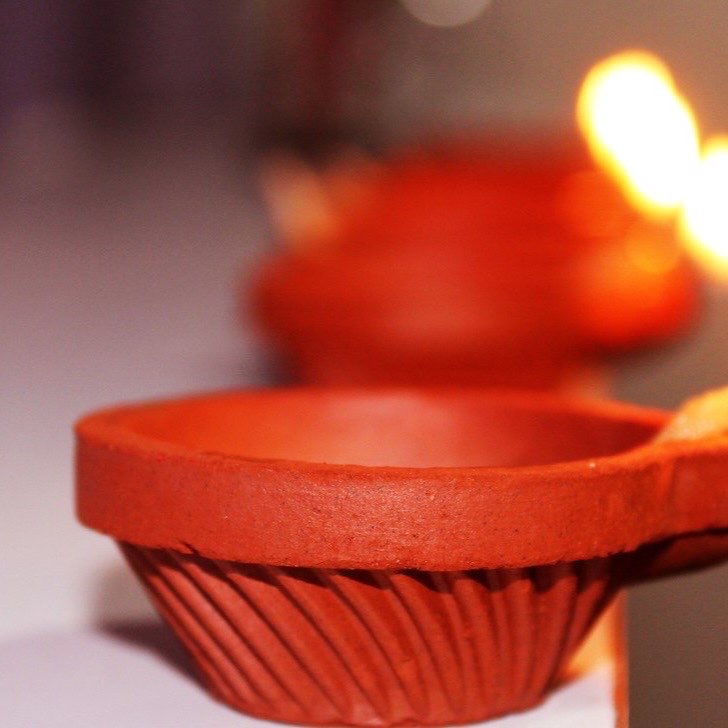
A small clay diya lamp burning with a warm flame
नित्य मन्त्र

Course Overview

These are the shortest texts taught here, and in some ways the most useful. They are recited on waking, while bathing, before a meal — a few lines each, spread through an ordinary day.

Because they are brief, they are also the easiest way to make recitation a habit rather than an occasion. Many learners take this group first for exactly that reason.

Texts Taught in This Course

A course is built around what you would like to take up. Nobody works through all of these, and they are listed shortest first so there is somewhere comfortable to begin.

  • Mantra

    Morning Mantra

    The verses recited on waking, before the feet touch the floor. Short, and the one most learners find easiest to turn into a habit.

  • Mantra

    Snāna Mantra

    The verses recited while bathing, invoking the sacred rivers.

  • Mantra

    Bhojana Mantra

    The verses recited before a meal — brief, and easily kept up because the occasion comes round three times a day.

  • Mantra

    Evening Mantra

    The verses recited at dusk, as the lamp is lit and the day is set down.

  • Mantra

    Gāyatrī Mantra

    The Vedic verse to Savitṛ, and the one most often recited carelessly through sheer familiarity. Both its metre and its intonation are taught.

  • Mantra

    Mahā Mṛtyuñjaya Mantra

    The verse to Tryambaka from the Ṛgveda, widely recited for wellbeing. Taught with attention to the long vowels, which are commonly shortened.

  • Mantra

    Bīja Mantra

    The seed syllables — single sounds, and precisely the case where articulation is the whole of the practice.

  • Mantra

    Śrī Viṣṇu Mantra

    The Viṣṇu mantras kept in daily repetition, with the placement and pace they ask for.

  • Mantra

    Mantra Puṣpāñjali

    Recited standing, with flowers, at the close of a pūjā. Almost everyone knows the sound of it; rather fewer know where one word ends and the next begins.

  • Mantra

    Sūrya Namaskāra Mantra

    The twelve mantras, one for each posture of the sequence — taught so the breath, the movement and the mantra hold together.

  • Mantra

    Nava Graha Mantra

    One mantra for each of the nine planets. Excellent practice at keeping distinct sounds distinct across a set that invites blurring.

What You Will Learn

  • Recite each of the daily Mantras accurately
  • Understand what each one is for and when it is said
  • Articulate short Sanskrit lines cleanly
  • Build recitation into the ordinary shape of a day
  • Learn the Nava Graha Mantras and their pronunciation

Who Can Join

  • Complete beginners — this is the gentlest starting point
  • Children learning alongside a parent
  • Anyone wanting to establish a daily routine

How It Is Taught

  1. 1 Listen first. Each line is heard clearly before it is attempted, so the ear learns the sound before the tongue shapes it.
  2. 2 Pronunciation is broken down syllable by syllable, with attention to the placement of each sound.
  3. 3 Rhythm and breath are practised slowly, then brought to their natural pace.
  4. 4 Meaning is explained in simple language so the words are understood, not only repeated.
  5. 5 Individual corrections are given during class, gently and specifically.
  6. 6 Recitation is brought together with awareness and devotion.

Structure of a Class

01 Opening prayer and a settling of attention
02 Revision of the previous session, with corrections
03 New lines: listening, syllable work and slow repetition
04 Explanation of meaning and context
05 Rhythmic recitation together
06 Practice guidance for the week ahead

Questions People Ask

No prior knowledge of Sanskrit is required. Recitation is taught by ear and by syllable, with meaning explained in simple language. Learners who already recite are helped to refine pronunciation and rhythm.

No. The texts listed are what is taught within this group, and a course is arranged around what a learner or batch would like to take up. Some learners work through several; others come for one particular Stotra.

Both. Small groups and individual classes are available. Groups are kept small enough that every learner is still heard and corrected personally.

Classes are conducted live online so that pronunciation can be corrected personally. Practice material is shared to support regular revision between sessions.

Timings and fees are shared directly on enquiry, as they depend on the batch, the learner group and time zones. Please use the enquiry form and you will receive the current details.

Enquire

Ask About Daily Mantras

Send a note about your experience so far and what you would like to learn, and you will receive current timings and details.

Preferred way to be contacted

Fields marked * are required.